
Hormones & metabolism
Diabetes
Also called sugar disease, type 2 diabetes, type 1 diabetes
A condition where blood sugar stays too high because the body makes too little insulin or cannot use it properly.
About diabetes
Insulin is the hormone that moves sugar from the blood into the cells that burn it. In type 1 diabetes the body stops making insulin, usually starting in childhood or early adulthood. In type 2, far more common, the body still makes insulin but has become resistant to it.
Either way, sugar builds up in the blood. High sugar over years damages small blood vessels and nerves, which is how diabetes leads to sight loss, kidney failure, foot ulcers and heart disease. Those complications are largely preventable when sugar, blood pressure and cholesterol are all controlled.
Type 2 often develops silently over years and is picked up on a routine blood test or during another illness. Weight loss, activity and medicine can bring it under good control, and early type 2 sometimes goes into remission with substantial weight loss.
In Uganda: Diabetes is rising fast in Ugandan towns and is often diagnosed late, after complications have started. A fasting sugar test is inexpensive and widely available at clinics and labs across Kampala.
Symptoms to look out for
Not everyone gets all of these, and symptoms can come and go.
- Passing urine often, including at night
- Constant thirst and a dry mouth
- Unexplained weight loss despite eating normally
- Tiredness and weakness
- Blurred vision that comes and goes
- Cuts, boils or thrush that keep coming back or heal slowly
- Tingling or numbness in the feet
Get medical help now if
- Vomiting with deep, fast breathing and a fruity smell on the breath
- Confusion or drowsiness in someone with known diabetes
- Shaking, sweating and confusion from low sugar, which needs sugar by mouth immediately
- A foot wound that is black, spreading or smells offensive
Go to the nearest emergency department rather than waiting for an appointment. Hospitals with a 24-hour emergency unit are marked on our hospital directory.
Who treats it
Start with the first specialty listed unless a clinician has referred you elsewhere.
Doctors on CareCompass who treat diabetes
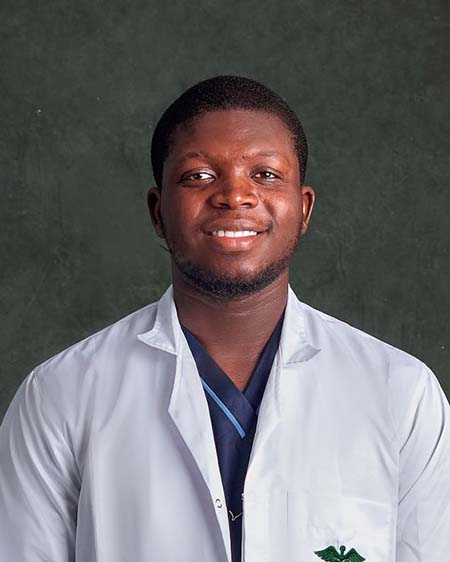
Dr. Harold Osele
Endocrinology
MBChB, MMed
Careful, unhurried consultations for every patient.
- 25
- years experience
- Languages
- English, Luganda
Practises at: The Surgery
View profile & book →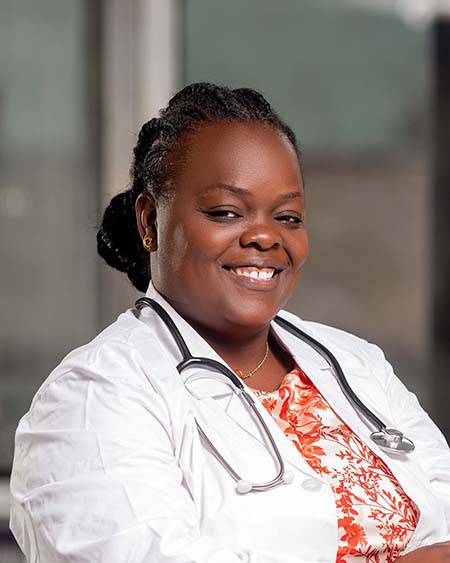
Dr. Viola Ssentamu
Endocrinology
MBChB, MMed
Clear explanations and a plan you can act on.
- 10
- years experience
- Languages
- English, Luganda, Swahili
Practises at: St. John Ambulance, Child & Family Medical Center
View profile & book →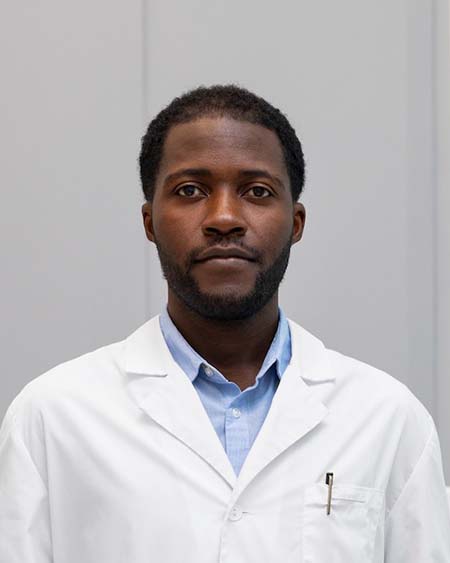
Dr. Ivan Eyanu
Endocrinology
MBChB, MMed
Compassionate care, close to home in Kampala.
- 17
- years experience
- Languages
- English, Luganda, Runyankole
Practises at: Sarec Medicare Centre
View profile & book →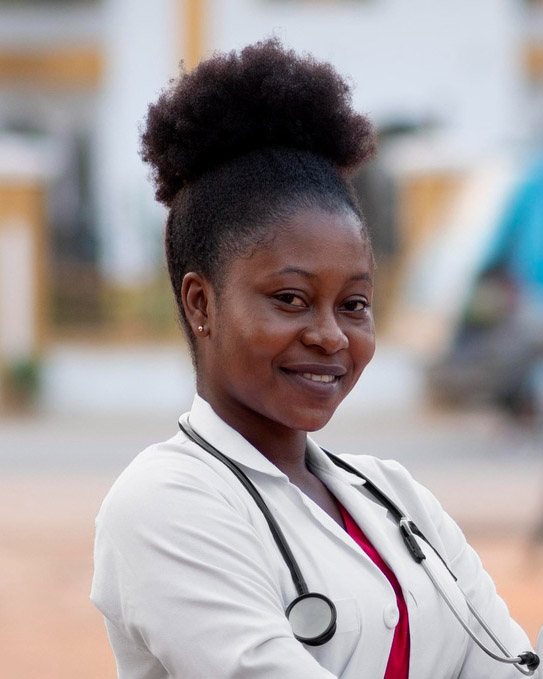
Dr. Aber Okumu
Endocrinology
MBChB, MMed
Listening first, then treating with a personal touch.
- 24
- years experience
- Languages
- English, Luganda, Acholi
Practises at: Ray of Hope Medical Centre, Keep 28 Dental Clinic
View profile & book →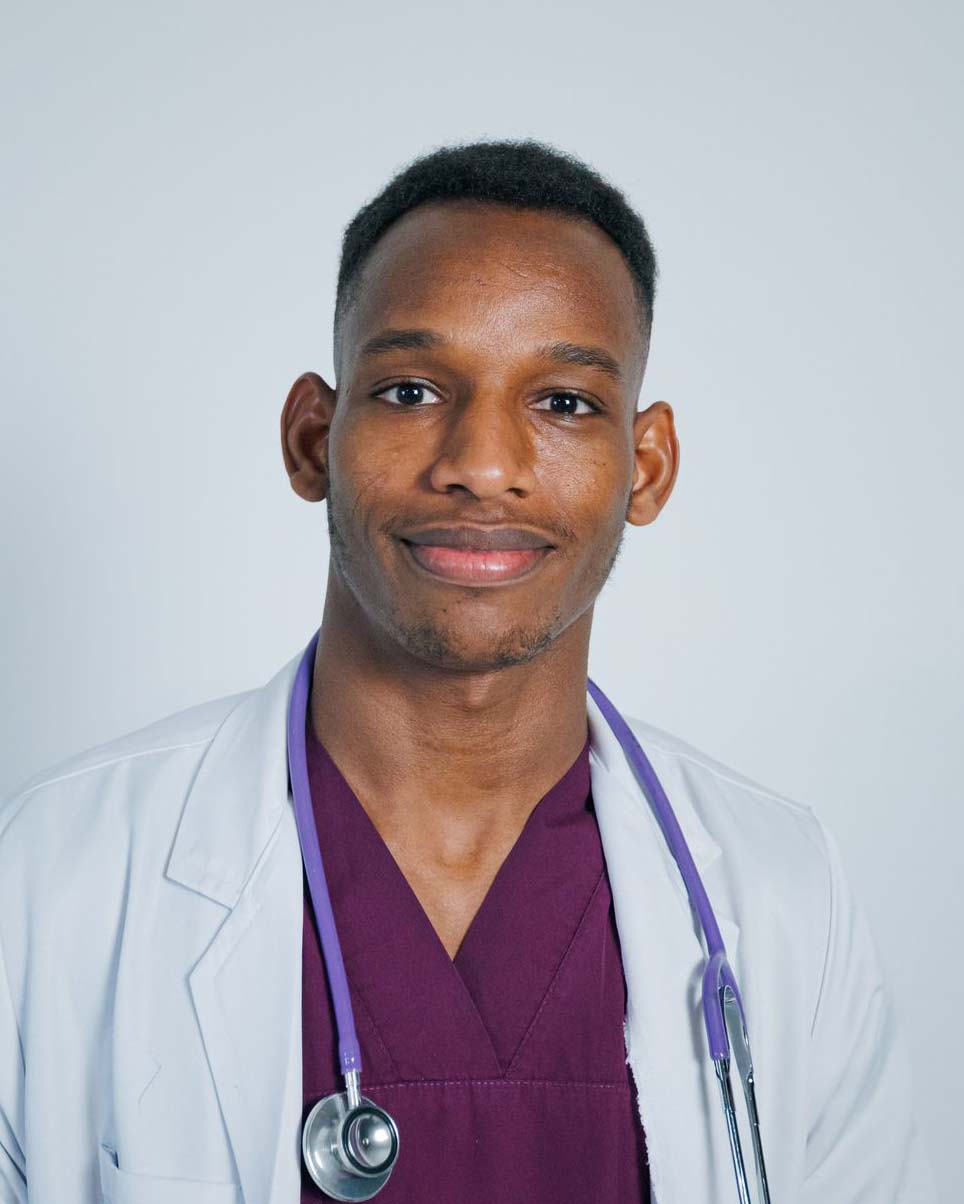
Dr. Joseph Jama
Endocrinology
MBChB, MMed
Practical advice and follow-up you can rely on.
- 9
- years experience
- Languages
- English, Luganda, Lusoga
Practises at: Aga Khan Medical Centre Acacia
View profile & book →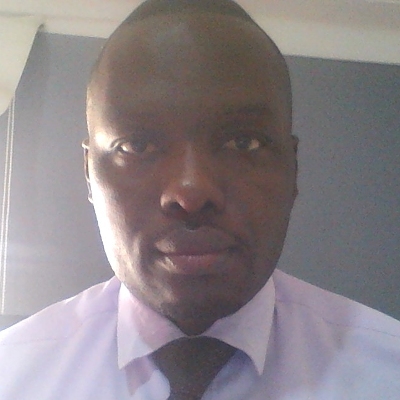
Dr. Katwere Michael
VerifiedInternal Medicine (Adult Medicine) · Infectious Disease
MBChB, MRCP (UK), MSc
Internal medicine physician in Kampala
- Languages
Practises at:
View profile & book →
How it is diagnosed
What a clinician does to confirm it, and what each step is for.
- A fasting blood sugar test, taken after not eating overnight
- A random blood sugar test alongside classic symptoms
- HbA1c, a blood test showing average sugar over the past three months
- An oral glucose tolerance test where results are borderline
- Follow-up tests for kidney function, cholesterol, eyes and feet once diagnosed
Tests commonly used, and what they cost
Prices are the lowest we have confirmed in Kampala. Open a test to compare every facility.
Where to get tested
Dedicated diagnostic centres and laboratories in Kampala that run these tests.
ECUREI Diagnostic Imaging Centre
Mengo, Kampala · Imaging & Radiology
- Blood test
- Lipid profile
Cerba Lancet Uganda
Kampala · Laboratory & Pathology
- Blood test
- Lipid profile
MBN Clinical Laboratories
Nakasero, Kampala · Laboratory & Pathology
- Blood test
- Lipid profile
Hospitals run these tests too, and their prices sit alongside the centres on each test page. See the full list of diagnostic centres.
Causes and triggers
What brings it on, or makes it more likely.
- Type 1: the immune system destroys the insulin-making cells, for reasons not fully known
- Type 2: excess weight, especially around the abdomen
- A family history of diabetes
- Physical inactivity
- Diets heavy in refined starch, sugary drinks and fried food
- Diabetes in a previous pregnancy
- Some medicines, notably long-term steroids
How it is treated
The usual options. Which one suits you is a conversation with your clinician.
- A realistic eating plan, built around what you actually cook, with a dietitian where possible
- Regular activity, which lowers sugar directly and improves insulin resistance
- Tablets such as metformin for type 2, added to as needed
- Insulin, essential from the start in type 1 and often needed later in type 2
- Blood pressure and cholesterol treatment, which prevent as much harm as sugar control
- Yearly eye and foot checks to catch damage while it is still reversible
Living with it day to day
What helps alongside treatment, not instead of it.
- Check your sugar as advised and keep a written record for reviews
- Cut sugary drinks first: they raise sugar faster than anything else on the table
- Inspect your feet daily for cuts, blisters and colour changes, and never walk barefoot
- Carry sugar or sweets if you use insulin or sulfonylureas, for low sugar episodes
- Keep your vaccinations and dental care up to date, since infections raise sugar
Common questions
- Can diabetes be reversed?
- Type 1 cannot; insulin is needed for life. Early type 2 can go into remission for some people with substantial, sustained weight loss and activity, meaning normal sugar without medicine. Even where remission is not reached, good control prevents most complications.
- Do I have to stop eating matooke, posho and rice?
- No, but portion size and what you eat alongside them matter. Smaller starch portions, more beans, greens and groundnuts, and no sugary drink with the meal keep the sugar rise manageable. A dietitian can build this around your usual food rather than replacing it.
This page is health information, not medical advice. It cannot account for your history, your medicines or an examination, and it is not a substitute for seeing a clinician. Always follow the advice you are given in person.
Related reads
Guides and analysis from CareCompass on diabetes, the tests involved and what care costs in Kampala.


Related conditions
All conditions →Hormones & metabolism
Thyroid problems
Problems with the thyroid gland in the neck, which speeds the body up or slows it down depending on how much hormone it makes.
Lungs & breathing
Asthma
A long-term condition where the airways narrow and tighten, causing wheezing, coughing and breathlessness that come and go.
Heart & circulation
High blood pressure
Blood pressure that stays high over time, quietly straining the heart, kidneys, eyes and brain until it is treated.
Stomach & digestion
Stomach ulcers
Open sores in the lining of the stomach or upper intestine, usually caused by H. pylori infection or long-term painkiller use.