
Blood & immunity
Allergies
Also called hay fever, allergic rhinitis, food allergy
An immune reaction to something harmless like dust, pollen or a food, causing sneezing, rashes, swelling or, rarely, collapse.
About allergies
An allergy is the immune system reacting to something harmless as though it were dangerous. The same underlying tendency shows up in different places: in the nose as sneezing and blockage, in the skin as eczema or hives, in the chest as asthma, and in the gut after certain foods.
Most allergy is a nuisance rather than a danger, but a small number of people react severely and within minutes, with swelling of the lips and throat, wheeze and collapse. That reaction, anaphylaxis, is a medical emergency treated with adrenaline.
The practical work of managing allergy is identifying what sets it off, reducing exposure where that is realistic, and using the right treatment consistently rather than only when symptoms peak.
Symptoms to look out for
Not everyone gets all of these, and symptoms can come and go.
- Sneezing, a blocked or runny nose, and itchy eyes
- Itchy raised welts (hives) on the skin
- Dry, itchy, inflamed skin, in eczema
- Wheeze and cough after exposure
- Swelling of the lips, face or eyelids
- Stomach cramps, vomiting or diarrhoea after a particular food
Get medical help now if
- Swelling of the tongue or throat, or a change in voice
- Difficulty breathing or noisy breathing after exposure
- Dizziness, collapse or a sense of impending doom
- A widespread rash with vomiting, coming on within minutes
Go to the nearest emergency department rather than waiting for an appointment. Hospitals with a 24-hour emergency unit are marked on our hospital directory.
Who treats it
Start with the first specialty listed unless a clinician has referred you elsewhere.
- Children's allergy doctors
- Skin disorders
- Ear, nose, and throat
- Lung & respiratory disease
- General doctors
Doctors on CareCompass who treat allergies

Dr. Joan Patel
Pediatric Allergy & Immunology
MBChB, MMed
Listening first, then treating with a personal touch.
- 8
- years experience
- Languages
- English, Luganda, Acholi
Practises at: Kumi Hospital, AAR Bweyogerere Clinic
View profile & book →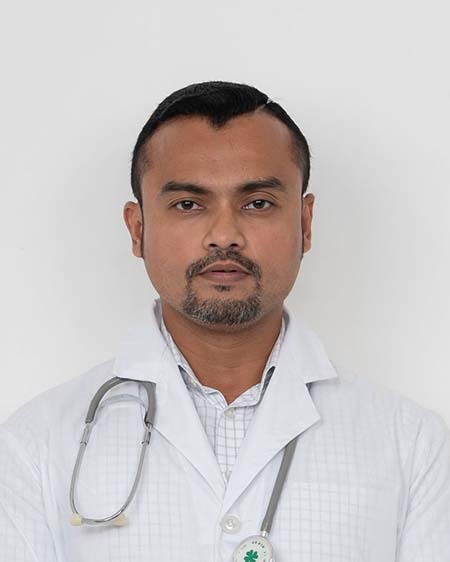
Dr. Sulaiman Farah
Pediatric Allergy & Immunology
MBChB, MMed
Practical advice and follow-up you can rely on.
- 15
- years experience
- Languages
- English, Luganda, Lusoga
Practises at: Goodwill Polyclinic
View profile & book →
Dr. Juliet Amuge
Pediatric Allergy & Immunology
MBChB, MMed
Patient-centred care from first visit to recovery.
- 22
- years experience
- Languages
- English, Swahili
Practises at: AAR Acacia Health Centre, IHK Medical Centre
View profile & book →
Dr. Victor Serwadda
Pediatric Allergy & Immunology
MBChB, MMed
Thorough assessments explained in plain language.
- 7
- years experience
- Languages
- English, Luganda, Ateso
Practises at: Chines Medical Centre
View profile & book →
Dr. Joseph Wanyama
VerifiedDermatologist
MBChB, MMed (Dermatology)
Skin, hair and nail care for every skin tone.
- 11
- years experience
- Languages
- English, Luganda, Lugisu
Practises at: Medipal International Hospital, Kampala Hospital, IST Medical Centre
View profile & book →
Dr. Barbara Nakaweesi
VerifiedDermatologist
MBChB, MMed (Dermatology)
Skin, hair and nail care for every skin tone.
- 12
- years experience
- Languages
- English, Luganda, Lugisu
Practises at: Nakasero Hospital
View profile & book →
Specialist clinics for this
Standalone clinics whose main work is this area of care.
Unity Skin Clinic
Kampala
UK-trained dermatology and aesthetics, pioneering phototherapy, keloid SRT and picosecond laser for melanin-rich skin.
Advanced Skin Clinic Uganda
Kampala
A leading dermatology provider for cosmetic and medical skin care, from Botox and fillers to acne and skin cancer screening.
Refine Skin & Body Clinic
Kampala & Juba
Aesthetic dermatology and IV therapy led by Dr. Chirag Kotecha, blending advanced technology with skincare artistry.
Elite Dermatology
Kampala
Modern skin clinic led by Dr. Ronnie Muhumuza, and Uganda's pioneer of scalp micropigmentation (SMP).


How it is diagnosed
What a clinician does to confirm it, and what each step is for.
- A careful history linking symptoms to exposure, which is the most useful test of all
- Skin prick testing to common allergens
- Blood tests for specific IgE antibodies
- A supervised food challenge, where a food allergy is uncertain and needs settling
- Lung function testing where wheeze is part of the picture
Tests commonly used, and what they cost
Prices are the lowest we have confirmed in Kampala. Open a test to compare every facility.
Where to get tested
Dedicated diagnostic centres and laboratories in Kampala that run these tests.
ECUREI Diagnostic Imaging Centre
Mengo, Kampala · Imaging & Radiology
- Blood test
Cerba Lancet Uganda
Kampala · Laboratory & Pathology
- Blood test
MBN Clinical Laboratories
Nakasero, Kampala · Laboratory & Pathology
- Blood test
Hospitals run these tests too, and their prices sit alongside the centres on each test page. See the full list of diagnostic centres.
Causes and triggers
What brings it on, or makes it more likely.
- House dust mites, cockroaches and mould
- Pollen and grass
- Animal fur and feathers
- Foods, most often groundnuts, eggs, milk, fish and shellfish
- Insect stings
- Medicines, particularly penicillin and anti-inflammatory painkillers
- A family history of allergy, eczema or asthma
How it is treated
The usual options. Which one suits you is a conversation with your clinician.
- Avoiding the trigger where it can be identified and realistically avoided
- Non-drowsy antihistamines for sneezing, itching and hives
- Steroid nasal sprays, which work best used daily through the season
- Emollients and steroid creams for eczema
- An adrenaline auto-injector for anyone at risk of anaphylaxis, carried at all times
- Immunotherapy in selected cases, given by a specialist
Living with it day to day
What helps alongside treatment, not instead of it.
- Wash bedding hot and damp-dust to reduce dust mites
- Keep windows closed when dust or pollen is high, and shower after being outdoors
- Read food labels and tell restaurants clearly about a food allergy
- Carry your adrenaline pen and make sure family or colleagues know how to use it
- Write down what you ate or did before a reaction: it is often the only way to find the trigger
Common questions
- Can allergies develop in adulthood?
- Yes. Allergies can appear at any age, including to something you have tolerated for years, and childhood allergies to milk or eggs are often outgrown. A new reaction is worth assessing rather than assuming it cannot be an allergy.
- Are allergy tests always accurate?
- Skin and blood tests show sensitisation, not necessarily a clinical allergy: you can test positive to something you eat without trouble. That is why results are interpreted alongside your history rather than on their own.
This page is health information, not medical advice. It cannot account for your history, your medicines or an examination, and it is not a substitute for seeing a clinician. Always follow the advice you are given in person.
Related reads
Guides and analysis from CareCompass on allergies, the tests involved and what care costs in Kampala.




Related conditions
All conditions →Blood & immunity
Sickle cell
An inherited blood disorder where red cells change shape, block small vessels and cause episodes of severe pain.
Lungs & breathing
Asthma
A long-term condition where the airways narrow and tighten, causing wheezing, coughing and breathlessness that come and go.
Heart & circulation
High blood pressure
Blood pressure that stays high over time, quietly straining the heart, kidneys, eyes and brain until it is treated.
Hormones & metabolism
Diabetes
A condition where blood sugar stays too high because the body makes too little insulin or cannot use it properly.