
Infections
Malaria
Also called omusujja, fever
A parasite spread by mosquito bites, causing fever and chills, and treatable within days when tested and treated early.
About malaria
Malaria is caused by a parasite carried by female Anopheles mosquitoes, which bite between dusk and dawn. After a bite, the parasite multiplies in the liver and then in the red blood cells, which is when fever, chills and headache begin, usually a week or more after the bite.
Plasmodium falciparum, the dominant type in Uganda, is the one that becomes severe. It can progress from ordinary fever to severe illness within a day or two, particularly in children under five and pregnant women.
Testing before treatment matters. Many fevers are not malaria, and treating without a test both misses the real cause and drives resistance. A rapid test or blood slide takes minutes and is widely available.
In Uganda: Malaria remains one of the commonest reasons for a clinic visit in Uganda. Rapid tests cost little at pharmacies, clinics and drug shops, and testing before treatment is the standard the Ministry of Health recommends.
Symptoms to look out for
Not everyone gets all of these, and symptoms can come and go.
- Fever, often with shaking chills and sweating
- Headache and body aches
- Tiredness and weakness
- Nausea, vomiting and loss of appetite
- Abdominal pain and diarrhoea, especially in children
- Pallor and yellowing of the eyes as anaemia develops
Get medical help now if
- Confusion, drowsiness or a fit
- Difficulty breathing
- Being unable to drink, feed or keep anything down
- Passing very little urine, or urine the colour of tea
- Extreme pallor or bleeding
- Any fever in a child under five that is not settling, or in pregnancy
Go to the nearest emergency department rather than waiting for an appointment. Hospitals with a 24-hour emergency unit are marked on our hospital directory.
Who treats it
Start with the first specialty listed unless a clinician has referred you elsewhere.
Doctors on CareCompass who treat malaria

Dr. Katwere Michael
VerifiedInternal Medicine (Adult Medicine) · Infectious Disease
MBChB, MRCP (UK), MSc
Internal medicine physician in Kampala
- Languages
Practises at:
View profile & book →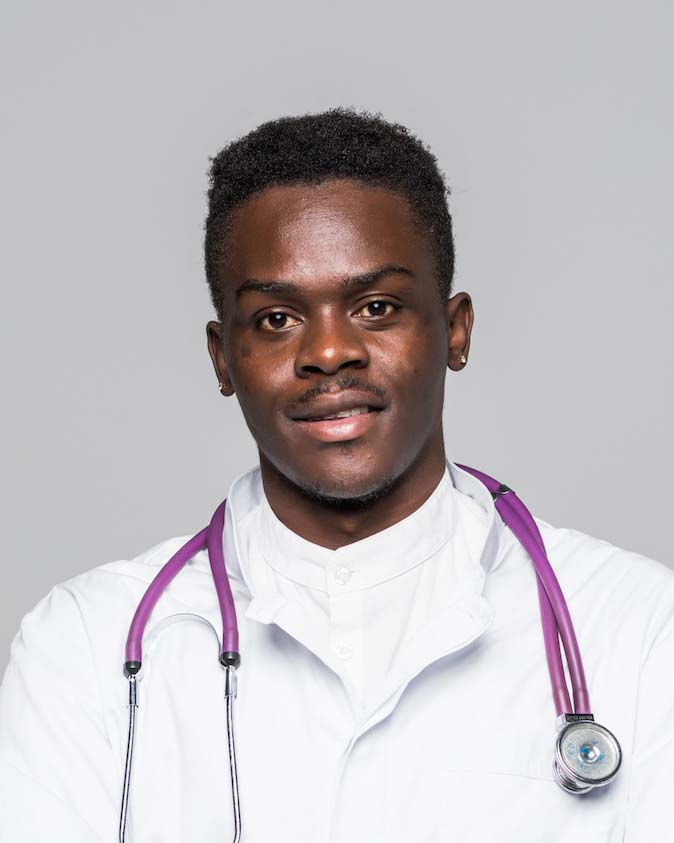
Dr. Isaac Tumusiime
Infectious Disease
MBChB, MMed
Clear explanations and a plan you can act on.
- 18
- years experience
- Languages
- English, Luganda, Swahili
Practises at: Kampala Medical Centre (Aga Khan), Ultima Trauma & Orthopaedic Centre
View profile & book →
Dr. Maria Tenywa
Infectious Disease
MBChB, MMed
Compassionate care, close to home in Kampala.
- 25
- years experience
- Languages
- English, Luganda, Runyankole
Practises at: Tays Consultants
View profile & book →
Dr. Joel Ssali
Infectious Disease
MBChB, MMed
Listening first, then treating with a personal touch.
- 10
- years experience
- Languages
- English, Luganda, Acholi
Practises at: Naguru Teenage Information and Health Centre, Kadic Hospital
View profile & book →
Dr. Monica Twesigye
Infectious Disease
MBChB, MMed
Practical advice and follow-up you can rely on.
- 17
- years experience
- Languages
- English, Luganda, Lusoga
Practises at: Victoria Hospital
View profile & book →
Dr. Joyce Odoi
General Practice
MBChB, MMed
Compassionate care, close to home in Kampala.
- 25
- years experience
- Languages
- English, Luganda, Runyankole
Practises at: Businoye Medical Centre
View profile & book →
How it is diagnosed
What a clinician does to confirm it, and what each step is for.
- A rapid diagnostic test, giving a result in around 15 minutes
- A blood slide read under a microscope, which also shows how heavy the infection is
- A full blood count, since anaemia and low platelets are common
- Tests for other causes where the malaria test is negative but fever persists
Tests commonly used, and what they cost
Prices are the lowest we have confirmed in Kampala. Open a test to compare every facility.
Where to get tested
Dedicated diagnostic centres and laboratories in Kampala that run these tests.
ECUREI Diagnostic Imaging Centre
Mengo, Kampala · Imaging & Radiology
- Blood test
Cerba Lancet Uganda
Kampala · Laboratory & Pathology
- Blood test
MBN Clinical Laboratories
Nakasero, Kampala · Laboratory & Pathology
- Blood test
Hospitals run these tests too, and their prices sit alongside the centres on each test page. See the full list of diagnostic centres.
Causes and triggers
What brings it on, or makes it more likely.
- Bites from infected mosquitoes, which bite at night
- Living or travelling in an area with high transmission
- Stagnant water near the home, where mosquitoes breed
- Sleeping without a treated net
- Pregnancy and young age, which raise the risk of severe disease
- HIV or other conditions that weaken immunity
How it is treated
The usual options. Which one suits you is a conversation with your clinician.
- Artemisinin-based combination therapy (ACT) for uncomplicated malaria, taken as a full course
- Injectable artesunate in hospital for severe malaria
- Fluids, paracetamol and treatment of anaemia alongside the antimalarial
- Different regimens in pregnancy, chosen by trimester
- Preventive treatment in pregnancy, as part of antenatal care
Living with it day to day
What helps alongside treatment, not instead of it.
- Sleep under a treated mosquito net every night, including in the dry season
- Clear standing water around the home
- Get tested on the first day of fever rather than waiting
- Finish the full course of treatment, even once the fever breaks
- Return the same day if fever, vomiting or drowsiness continue after starting treatment
Common questions
- Should I take antimalarials without a test?
- No. Many fevers are not malaria, and treating blindly leaves the real cause untreated while contributing to drug resistance. A rapid test takes minutes and is inexpensive.
- Can you get malaria more than once?
- Yes. Previous infection gives only partial protection, which fades. Repeat infections are common, which is why nets and clearing standing water matter as much as treatment.
This page is health information, not medical advice. It cannot account for your history, your medicines or an examination, and it is not a substitute for seeing a clinician. Always follow the advice you are given in person.
Related reads
Guides and analysis from CareCompass on malaria, the tests involved and what care costs in Kampala.




Related conditions
All conditions →Infections
Hepatitis
Inflammation of the liver, most often from a virus, which can clear on its own or quietly persist for decades.
Lungs & breathing
Asthma
A long-term condition where the airways narrow and tighten, causing wheezing, coughing and breathlessness that come and go.
Heart & circulation
High blood pressure
Blood pressure that stays high over time, quietly straining the heart, kidneys, eyes and brain until it is treated.
Hormones & metabolism
Diabetes
A condition where blood sugar stays too high because the body makes too little insulin or cannot use it properly.