
Women's health
Trouble getting pregnant
Also called infertility, difficulty conceiving, failure to conceive
Not conceiving after a year of regular unprotected sex, with causes that lie with either partner and often with both.
About trouble getting pregnant
Doctors call it infertility: not conceiving after twelve months of regular unprotected sex, or six months if the woman is over 35. It is common, and in roughly a third of couples the cause lies with the man, a third with the woman, and the rest with both or unexplained.
Because the cause can sit on either side, both partners should be assessed from the start. A semen analysis is quick, inexpensive and answers a large part of the question, so there is no reason to test only the woman.
Many causes are treatable: infection-related tube damage, ovulation problems, fibroids, thyroid disease and low sperm counts all have established treatments. Assessment early is better than years of waiting, since fertility falls with age.
In Uganda: Fertility services including IUI and IVF are available at several Kampala clinics. Costs vary widely between providers, so ask for a written breakdown of the full cycle before starting.
Symptoms to look out for
Not everyone gets all of these, and symptoms can come and go.
- Not conceiving after a year of regular unprotected sex
- Irregular, very light or absent periods, which suggest ovulation problems
- Painful periods or pain during sex, which can point to endometriosis
- A history of pelvic infection, ectopic pregnancy or pelvic surgery
- In men: swelling in the scrotum, difficulty with erections or ejaculation
- Signs of hormone problems: unusual hair growth, milk from the breasts, weight change
Get medical help now if
- Severe pelvic pain with fever and offensive discharge, which needs treatment now
- Sudden one-sided pelvic pain with a missed period, which may be an ectopic pregnancy
- Sudden severe testicular pain and swelling
Go to the nearest emergency department rather than waiting for an appointment. Hospitals with a 24-hour emergency unit are marked on our hospital directory.
Who treats it
Start with the first specialty listed unless a clinician has referred you elsewhere.
Doctors on CareCompass who treat trouble getting pregnant

Dr. Nelson Kabagambe
Reproductive Endocrinology and Infertility
MBChB, MMed
Clear explanations and a plan you can act on.
- 20
- years experience
- Languages
- English, Luganda, Swahili
Practises at: Ikan Medical Centre, Multisystem Clinical Laboratories
View profile & book →
Dr. Irene Candia
Reproductive Endocrinology and Infertility
MBChB, MMed
Compassionate care, close to home in Kampala.
- 5
- years experience
- Languages
- English, Luganda, Runyankole
Practises at: Businoye Medical Centre
View profile & book →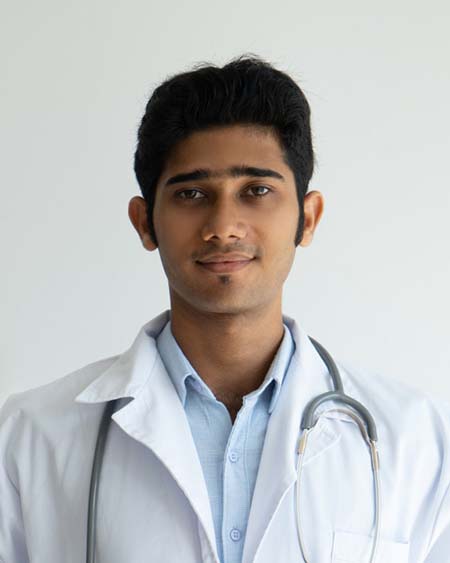
Dr. Peter Ucanda
Reproductive Endocrinology and Infertility
MBChB, MMed
Listening first, then treating with a personal touch.
- 12
- years experience
- Languages
- English, Luganda, Acholi
Practises at: Children's Clinic Bugolobi, St. Mary's Hospital Lacor
View profile & book →Dr. Jessica Nakiyingi
Reproductive Endocrinology and Infertility
MBChB, MMed
Practical advice and follow-up you can rely on.
- 19
- years experience
- Languages
- English, Luganda, Lusoga
Practises at: Nakasero Hospital
View profile & book →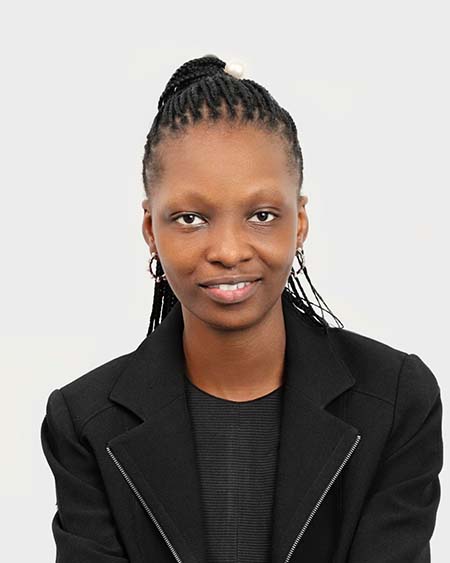
Dr. Grace Auma
VerifiedObstetrician & Gynaecologist
MBChB, MMed (Obstetrics & Gynaecology)
Antenatal care, women's health and safe deliveries.
- 12
- years experience
- Languages
- English, Luganda, Swahili
Practises at: Victoria Hospital, Mengo Hospital, Case Medical Centre
View profile & book →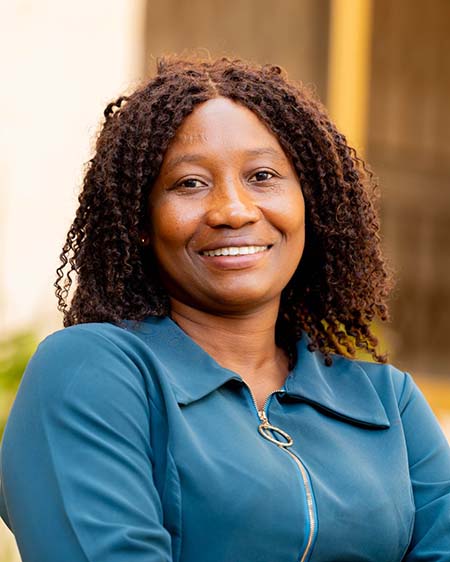
Dr. Juliet Nakimuli
VerifiedObstetrician & Gynaecologist
MBChB, MMed (Obstetrics & Gynaecology)
Antenatal care, women's health and safe deliveries.
- 15
- years experience
- Languages
- English, Luganda, Swahili
Practises at: Nakasero Hospital
View profile & book →
Specialist clinics for this
Standalone clinics whose main work is this area of care.

How it is diagnosed
What a clinician does to confirm it, and what each step is for.
- A full history from both partners, including cycle length and how long you have been trying
- Semen analysis, which should be done early rather than last
- Blood tests for ovulation, thyroid and prolactin
- A pelvic ultrasound of the womb and ovaries
- A tubal test such as HSG or HyCoSy to check the tubes are open
- Laparoscopy where endometriosis or adhesions are suspected
Tests commonly used, and what they cost
Prices are the lowest we have confirmed in Kampala. Open a test to compare every facility.
Where to get tested
Dedicated diagnostic centres and laboratories in Kampala that run these tests.
Kampala Imaging Centre
Kololo, Kampala · Imaging & Radiology
- Ultrasound
- Pregnancy scan
Iris Imaging Center
Kampala · Imaging & Radiology
- Ultrasound
- Pregnancy scan
ECUREI Diagnostic Imaging Centre
Mengo, Kampala · Imaging & Radiology
- Ultrasound
- Blood test
- Pregnancy scan
Medical Imaging Consultants (MiC)
Buganda Road, Kampala · Imaging & Radiology
- Ultrasound
- Pregnancy scan
Cerba Lancet Uganda
Kampala · Laboratory & Pathology
- Blood test
MBN Clinical Laboratories
Nakasero, Kampala · Laboratory & Pathology
- Blood test
Hospitals run these tests too, and their prices sit alongside the centres on each test page. See the full list of diagnostic centres.
Causes and triggers
What brings it on, or makes it more likely.
- Ovulation disorders, including polycystic ovary syndrome
- Blocked or damaged fallopian tubes, often after untreated infection
- Endometriosis
- Fibroids that distort the cavity of the womb
- Low sperm count, poor movement or abnormal shape
- Varicocele, infection or previous injury affecting the testicles
- Age, thyroid disease, obesity, smoking and heavy alcohol use
How it is treated
The usual options. Which one suits you is a conversation with your clinician.
- Timed intercourse advice, which alone helps a surprising number of couples
- Treating what is found: thyroid disease, infection, fibroids, varicocele
- Tablets or injections to induce ovulation
- Intrauterine insemination (IUI) in selected cases
- IVF and ICSI where tubes are blocked, sperm counts are very low, or other treatment fails
- Counselling alongside treatment, which is part of care rather than an extra
Living with it day to day
What helps alongside treatment, not instead of it.
- Have sex every two to three days rather than trying to time a single day
- Take folic acid before conception, and continue into early pregnancy
- Stop smoking and cut alcohol, both of which affect eggs and sperm
- Get to a healthy weight, since both extremes reduce fertility
- Seek help after six months if the woman is over 35, rather than waiting a full year
Common questions
- Should my partner be tested too?
- Yes, from the beginning. A male factor is involved in around half of cases, and semen analysis is faster, cheaper and simpler than most tests done on the woman.
- How long should we try before seeking help?
- Twelve months of regular unprotected sex, or six months if the woman is over 35. Seek help sooner if periods are irregular or absent, if there is a history of pelvic infection or surgery, or if there is a known problem on either side.
This page is health information, not medical advice. It cannot account for your history, your medicines or an examination, and it is not a substitute for seeing a clinician. Always follow the advice you are given in person.
Related reads
Guides and analysis from CareCompass on trouble getting pregnant, the tests involved and what care costs in Kampala.



Related conditions
All conditions →Women's health
Fibroids
Non-cancerous growths in the wall of the womb that can cause heavy periods, pain and pressure, or no symptoms at all.
Hormones & metabolism
Diabetes
A condition where blood sugar stays too high because the body makes too little insulin or cannot use it properly.
Hormones & metabolism
Thyroid problems
Problems with the thyroid gland in the neck, which speeds the body up or slows it down depending on how much hormone it makes.
Kidneys & urinary
Kidney stones
Hard deposits that form in the kidneys and cause severe waves of pain as they pass down towards the bladder.